
New Year, New Beginnings

January Gardening Jobs
Winter is definitely not a ‘quiet’ time in the garden when we gardeners sit in our easy chairs relaxing and dreaming of the summer months. Sorry if you were under that misapprehension! January weather certainly isn’t for the fainthearted but if warmly dressed the occasional days of bright blue skies can bring such joy in the garden. So grab your wooly hats, winter gardening gloves and secateurs and brave the cold. Your spring garden will thank you for it.
Pruning Time
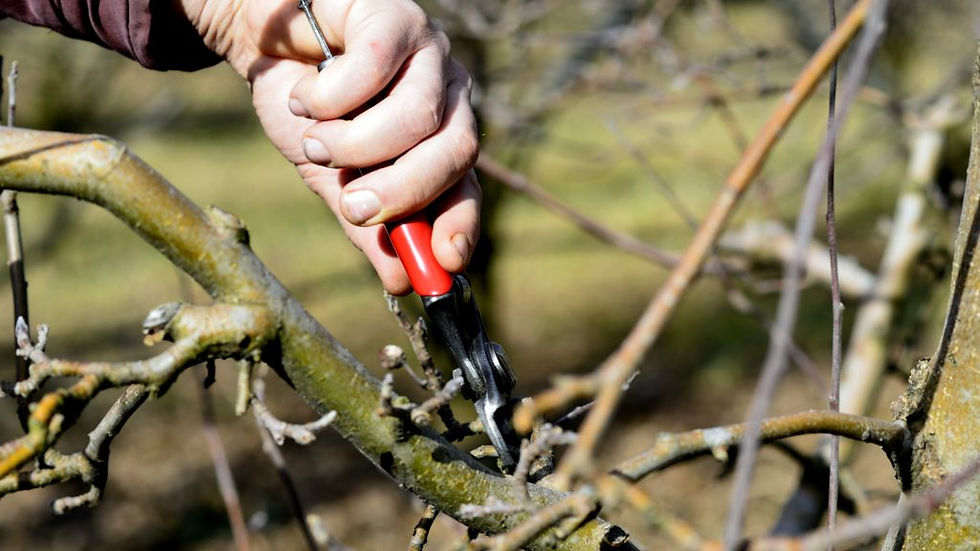
● Now is the best time to prune apple and pear trees to ensure a healthy, productive cycle of fruiting wood. Start removing dead, diseased, damaged and crossing branches. For open-grown trees, the aim is to create a framework that is an open goblet shape, with four to five main branches. For cordons or espaliers prune to short spurs to encourage fruit bearing. You want to encourage airflow around the main fruit bearing stems. Photo credit: https://yavapailandscaping.com/tree-services-prescott-4/
● Winter prune Wisteria and other vigorous climbers (e.g. Virginia Creeper, Boston Ivy) while the flow of sap is relatively low. Make larger cuttings to thin the overall framework and lighter trimmings to expose next spring’s flower buds.
● Prune climbing roses by cutting back side shoots by up to two-thirds. Remove 1-2 older branches to the base to encourage replacement growth. Using your existing framework, tie in any remaining stems horizontally to encourage great flowering.
● Cut off any old hellebore leaves, being careful not to cut any emerging flowering stems. This prevents the spread of various fungal diseases and more importantly, allows those beautiful blooms to be seen.
● Take hardwood cuttings of deciduous shrubs. Cuttings should be at least pencil thickness and 15-30cm in length, with nodes at the base and top of each cutting. If successful, they will root in spring and be ready to be moved next autumn. Buddleia, Philadelphus, Elder and Weigela all respond well to this method.
● Cut back and remove any collapsed plants including grasses from the borders in preparation for mulching. Don’t be too keen to remove plants with good seed heads and winter interest.
Kitchen Garden

● Force rhubarb crowns by covering them with a layer of straw or an upturned bucket/forcing jar to exclude light. In spring, crops of tender, pink rhubarb stems will appear 2 or 3 weeks earlier than uncovered crowns. Try to avoid forcing the same crown as previous year(s) as it causes too much stress on the plant.
● Plant any bare-root fruit plants as soon as possible, provided the ground isn’t too waterlogged or frozen. Raspberry canes thrive in free draining slightly acidic soil. Although they like to be kept moist, it is essential to avoid waterlogging so incorporate plenty of organic matter into the soil at planting.
● Prune gooseberries, red currants and white currants while they are dormant. Bush forms should be pruned to maintain an open-centred, upright shape, whereas cordons should be spur pruned. If fruiting shoots were pruned in the summer, they can now be cut to a couple of buds from the main branches. Don’t forget to wear thick gloves!
● Prune blackcurrants by cutting removing one-third of the oldest stems all the way to the ground. You can also shorten any stems that are too long, too straggly or resting too close to the ground in order to maintain a better shape.
●

Start early potatoes. They must be chitted (started into growth) before planting out in March. This will advance the first harvest and improve the yield. Lay them in a tray in a light, cool, frost-free place.
● Reduce watering of citrus plants. Keep them slightly drier at this time of year to prevent leaf loss and yellowing foliage associated with over watering. Check them regularly for pests and diseases and give them a good tidy.
● Sow onion seed. When growing onions from seed, they require a fairly long growing season so it’s good to get them started early in module trays.
● It’s not too late to plant garlic!
● If you have a greenhouse or space inside, you can start sowing select seeds in trays or individual modules. Sow winter salad crops, microgreens, radish, cauliflower and peppers (chilli and sweet peppers).
Other jobs
● Plant bare-root trees and shrubs, including roses, but only if the soil conditions allow. If the ground is too wet or frozen, place the plants in a bucket of moist compost in a cool, frost-free place until the conditions are right for planting.
● Move deciduous shrubs or trees that have outgrown their space or been positioned incorrectly. You should take as much of the root system and soil around it as you can to give it the best chance of survival in its new location.
● Check any vulnerable plants on a regular basis, particularly those that need protection from frosts. In cold periods, cover them with biodegradable fleece. If plants have experienced frost damage, leave the damaged stems until spring as it will help protect from further damage.
● Sweet peas can be sown now for flowers in early summer. Sowings will need to be covered with a lidded propagator and kept in a well-lit place at a temperature of 15℃.
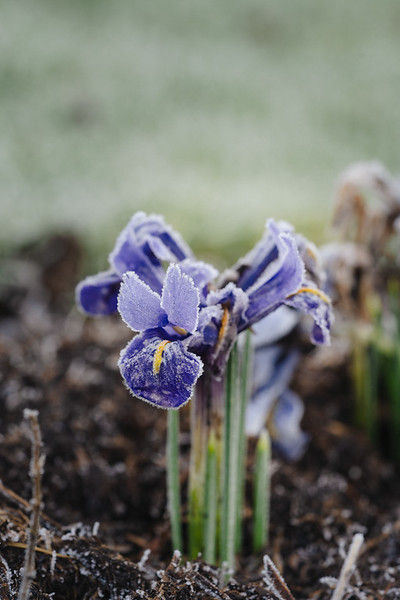
● Plant any spring flowering bulbs, provided the ground isn’t waterlogged or frozen, that you didn’t get around to before Christmas!
● Clean, tidy and organise sheds and/or greenhouses, if you haven’t already. It’s also worth cleaning pots and seed trays ahead of the growing season to avoid the spread of pests and diseases. Tools, particularly secateurs and loppers, will benefit from a good clean, disinfect and sharpen.
● Give wildlife a helping hand in cold weather. Make sure you keep filling your bird feeders and provide some high-energy treats like suet balls. These balls are easy to make by melting lard or suet in a pan and adding nuts, sunflower seeds or mixed bird seeds. Adding peanut butter is also a nice treat. Then mould into a ball, refrigerate overnight and place in feeders. Clean out bird boxes for the spring nesting season.


Comments